
旅の案内 · Guide to Japan
Japan in November
For those of you who are traveling from afar to be with us, we hope you will be able to reserve some time to explore what Japan has to offer. We put this guide together just for that reason.
Japan has so much to see and do that it is impossible to do everything in one visit. Find what pulls you in, do a little digging, and build the trip that fits your timeline. These are our honest, opinionated notes—take what is useful and ignore the rest.
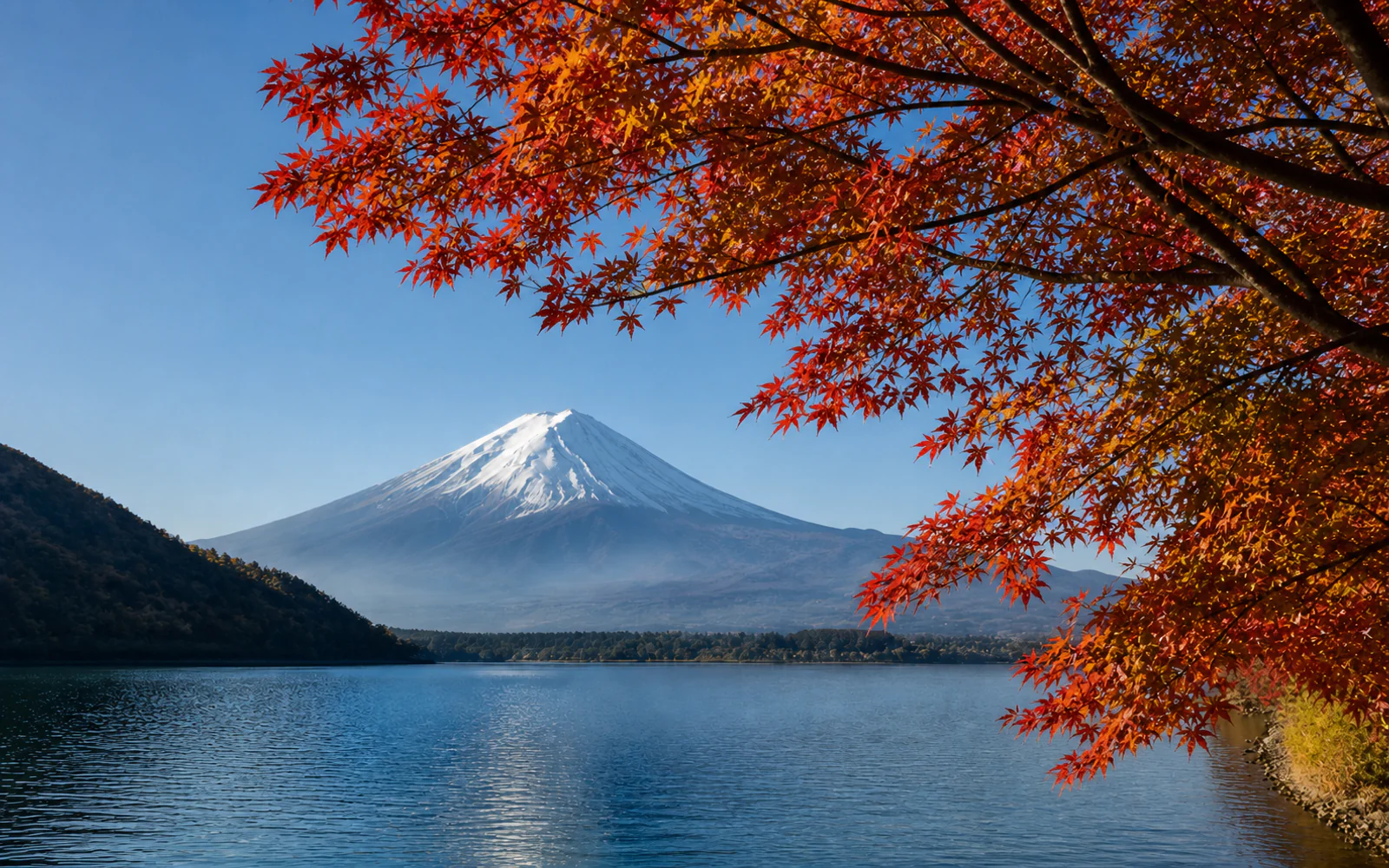
- Weather
- Crisp 50s–low 60s; 40s mornings and evenings
- Sunset
- Around 4:30–4:45pm
- Koyo
- Peak fall-color season
- Mt. Fuji
- Some of the clearest views of the year
Why November works
November is among the driest, clearest, most comfortable months. Expect blue-sky days in the 50s and low 60s °F, mornings and evenings in the 40s, and layers plus a light jacket rather than a heavy coat.
You are arriving in peak koyo. The fall colors are more vivid than anything we have seen in the US, while cold, dry air brings some of the clearest Mt. Fuji views of the year.
| Where | Note | Usual peak |
|---|---|---|
| Tokyo | City parks & gardens | Mid–late November into early December |
| Kyoto | The famous temples peak in late November | Mid-November–early December |
| Hakone | Mountain foliage | Late October–mid-November |
| Mt. Fuji / Lake Kawaguchiko | Our wedding location | Early–mid November |
If you ask us
Our recommendation
Every trip will look a little different, but the shape is simple: anchor on Tokyo and the wedding, then give whatever time remains to Kyoto and Osaka.
Before you go
A little planning pays off
Japan rewards advance planning more than almost anywhere we have traveled—mostly because the good stuff books up.
01Two to three months out
Passport, flights, hotels
Check that your passport and visas are valid through the trip; book flights and hotels, including at least one night at a ryokan.
Check your medications
Japan bans some common US medicines: pseudoephedrine decongestants (regular Sudafed) and ADHD stimulants like Adderall, prescription or not. Vyvanse and more than a month's supply of many prescriptions need an import certificate that takes weeks, so check yours early.
Check Japan's medicine rulesDinner reservations
Book aheadStart with the restaurants you care about. Windows typically open 30–60 days ahead; find each opening date and set a reminder.
Timed attractions
Book aheadBook teamLab, Shibuya Sky, the Sagano Romantic Train, Rurikoin, and Universal Studios as their windows open.
02One month out
Shinkansen seats
Book aheadReservations generally open one month ahead and advance tickets are cheaper. Choose the Mt. Fuji side and reserve oversized-luggage seats if needed; wrestle with the Japanese booking site from your couch, not a station.
Visit Japan Web
Enter immigration and customs information and get an arrival QR code; it saves real time at the airport.
Set up Visit Japan Web
03One to two weeks out
Data
Set up an eSIM (we use Airalo) unless your phone plan includes international data.
Suica
Use this tap-to-pay transit card for trains, convenience stores, Starbucks, groceries, and more. iPhone users can add Suica in Apple Wallet (Wallet → + → Transit Card → Suica); most US Android phones cannot run Mobile Suica, so pick up a physical Welcome Suica at the airport.
Useful apps
Download Google Maps, Google Translate with the Japanese offline pack, and the GO taxi app.
Cards
Bring a Visa or Mastercard with no foreign transaction fees. Plenty of card-taking places do not accept AMEX.
04What to pack
Walking shoes
Your comfiest pair: 15,000–20,000 steps a day is completely normal.
Layers
Pack for crisp days and chilly mornings and evenings; a light jacket beats a heavy coat.
Coin pouch
Coins pile up and remain useful for vending machines, lockers, and all sorts of small purchases.
Water bottle
Restaurant water pours tend to be tiny, so a reusable bottle earns its luggage space.
Plug check
US two-prong Type A plugs work with Japan’s 100V outlets; three-prong plugs need a cheap adapter.
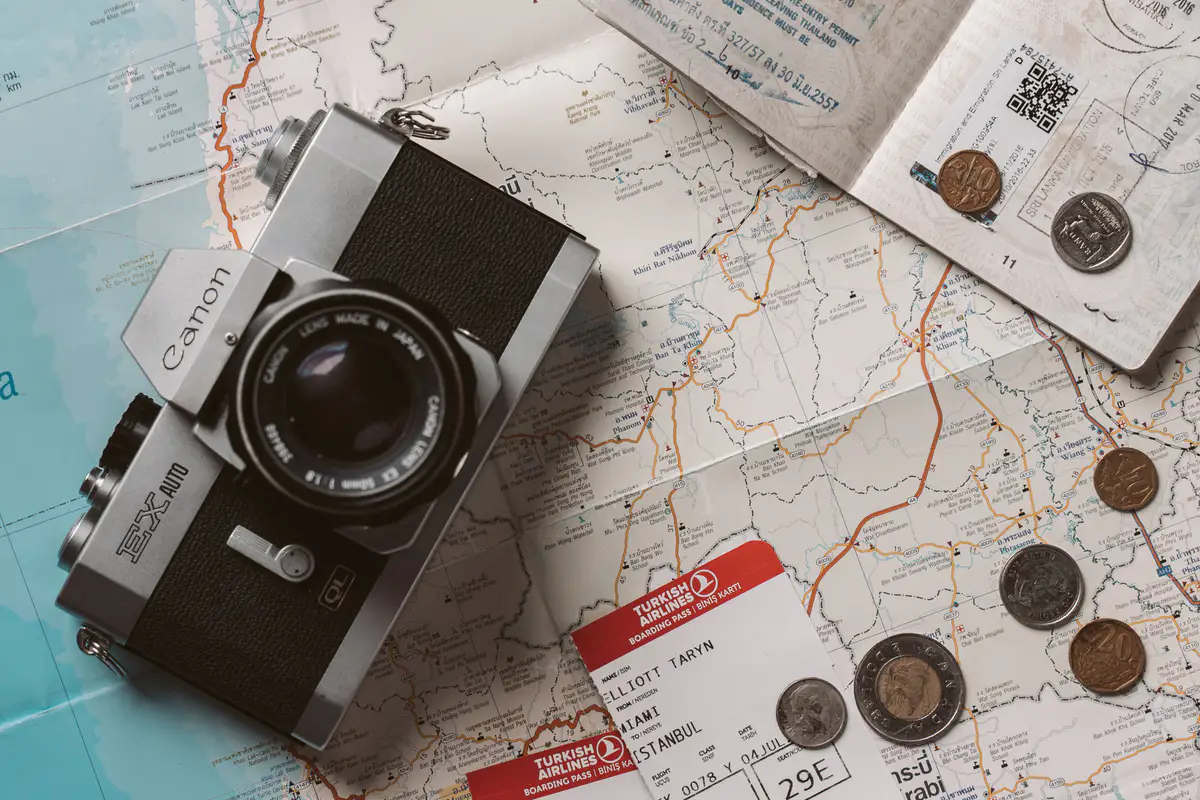
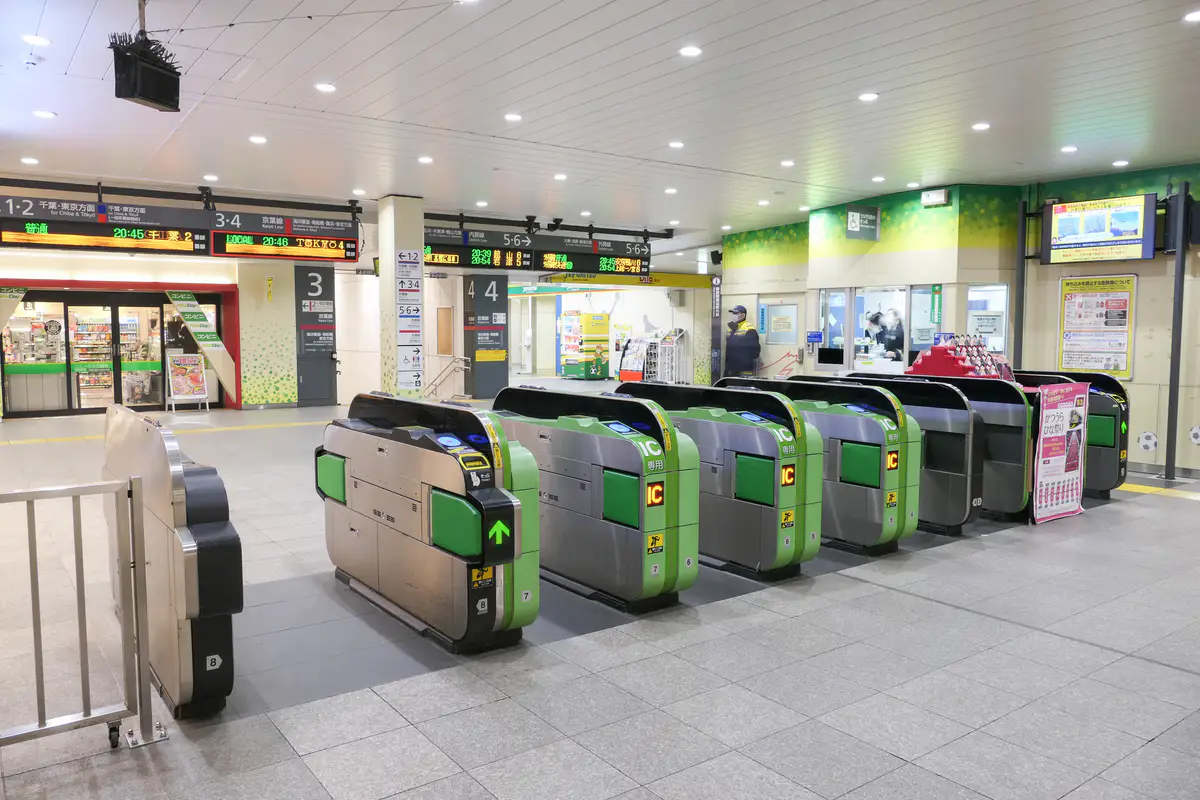
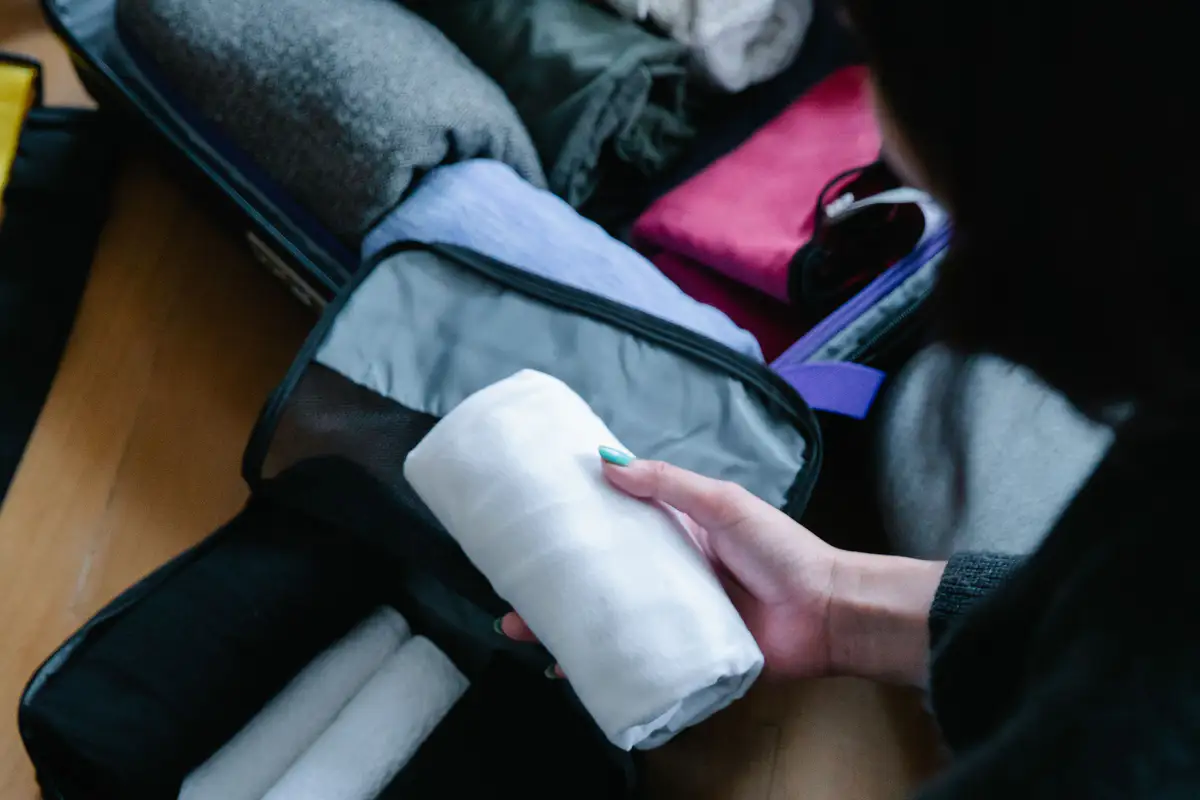
The essentials
Know before you go
A little Japanese goes a long way
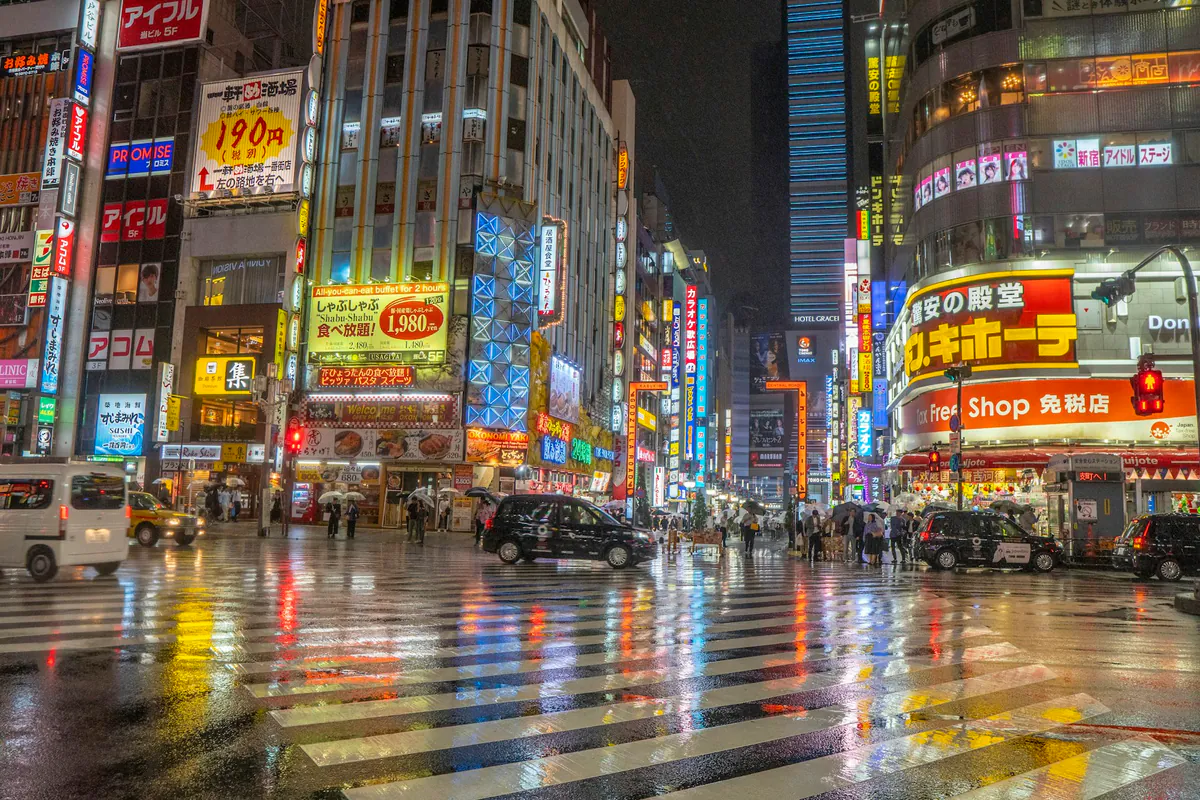
Very few people speak English, and even those who do may prefer not to. Learn a handful of phrases and use Google Translate when needed. Most signs are in English and tourist areas are well prepared for foreigners.
Follow the rules
Japan is very rule-oriented: people even wait at an empty red crosswalk. Be on time—not early or late—and be polite, like a guest in someone else’s home. Foreigners get a free pass on most things.
Expect a price dichotomy
Most things feel remarkably cheap compared with the US, while taxis, fancy fruit, Kobe beef, and nice hotels can get fairly pricey. Overall, your money goes surprisingly far.
Shop tax-free; carry your passport
Most stores return the tax at the register, but you need your actual physical passport. Bring it on days when you may do real shopping.
Almost no trash cans
Carry your trash until you find one. Konbini—7-Eleven, Lawson, and FamilyMart—are reliable places to dispose of it. Somehow the country remains spotless.
Two restaurant quirks
Water rarely appears unless you ask, and it comes in a tiny cup. If you take milk or cream in coffee, ask for extra; the default pour is comically small.
Getting around
Getting around
Fly into Haneda if you can
Both Tokyo airports work, but Haneda sits about 30 minutes from the center while Narita is its own 60–90 minute leg by express train or limousine bus. Prefer Haneda when fares are close, and budget the extra time if you land at Narita.
Google Maps is your friend
It is accurate for navigating Japan and tells you which numbered station exit to use—which matters more than you would think.
Giant stations need buffer time
Major stations are extremely large and genuinely confusing, sometimes with 50 numbered exits and multiple separate train systems. A transfer can mean leaving one system and entering another without going outdoors. Leave time to get lost once or twice.
Book the big train trips at home
Book aheadBuy city-to-city tickets such as Tokyo → Kyoto online before the trip; it is cheaper and avoids Japanese booking sites on vacation. Buy or tap Suica for local subways and short hops as you go.
Find the right exit
Use the numbered exit in Google Maps before leaving a large station.
Tap in
Use Suica for local trains, subways, and small everyday purchases.
Take the Fuji side
Reserve the right side toward Kyoto and the left side toward Tokyo.
Send the suitcase
Forward the large bag and carry one compact overnight bag.
Ride the shinkansen at least once
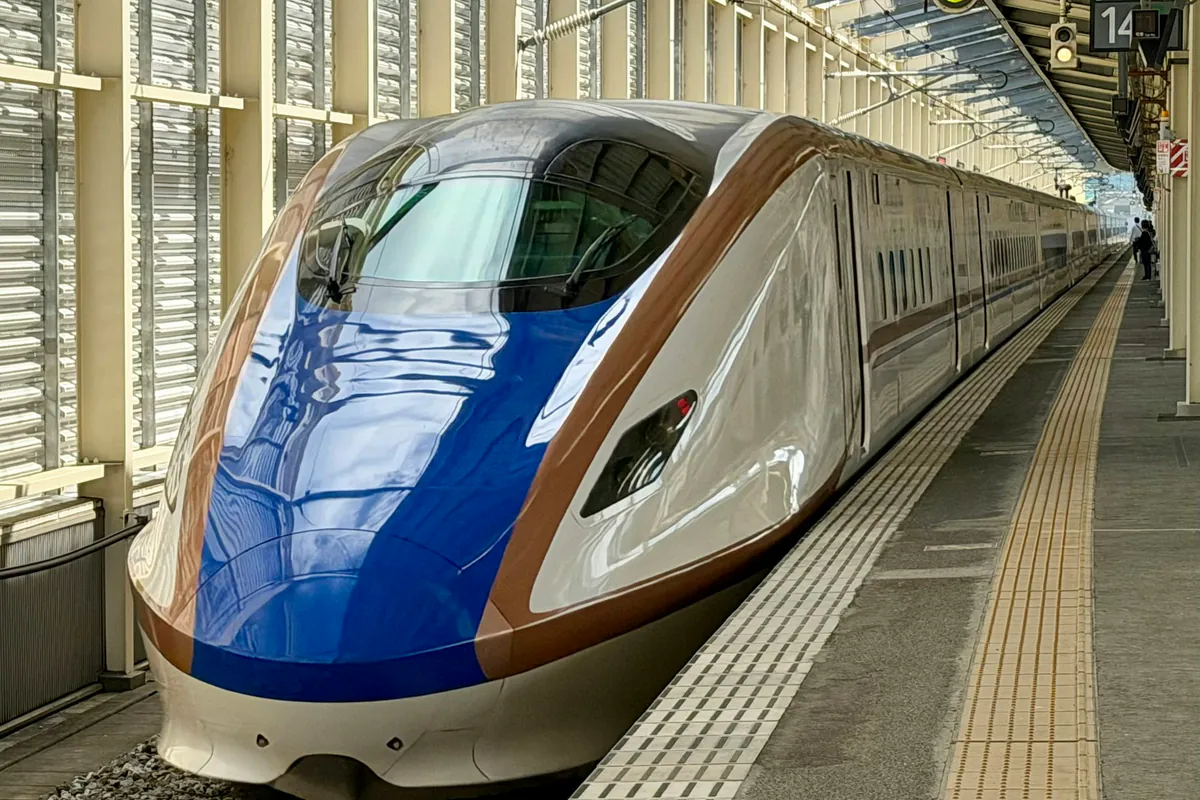
Book aheadIt is the way to make big hops such as Tokyo–Kyoto. Reserve ahead if the Mt. Fuji view matters to you; November’s clear-view odds are excellent.
Skip the JR Pass
Old-school advice says get the Japan Rail Pass; after its 2023 price hike it almost never pays off on a Tokyo–Kyoto–Osaka trip. Point-to-point tickets are the cheaper, simpler move.
Kyoto ↔ Osaka, the scenic way
Book aheadThe plush Aoniyoshi sightseeing train runs among Kyoto, Nara, and Osaka and is worth taking for the experience. Book it in advance.
Taxis in moderation
They are readily available but pricey, so default to walking and trains and use taxis strategically to save time and feet. GO works well. Drivers’ GPS can be charmingly old-school, making rides longer than Google estimates, and there is no Uber-style rideshare—every ride is an official taxi.
Trains stop around midnight
The rail network sleeps from roughly midnight until 5am—there is no all-night subway. Out late in Shinjuku or Dotonbori, check your last train in Google Maps; missing it means a long, surcharged taxi ride home.
Only-in-Japan favorites
Experiences worth building around
Stay at a ryokan for a night
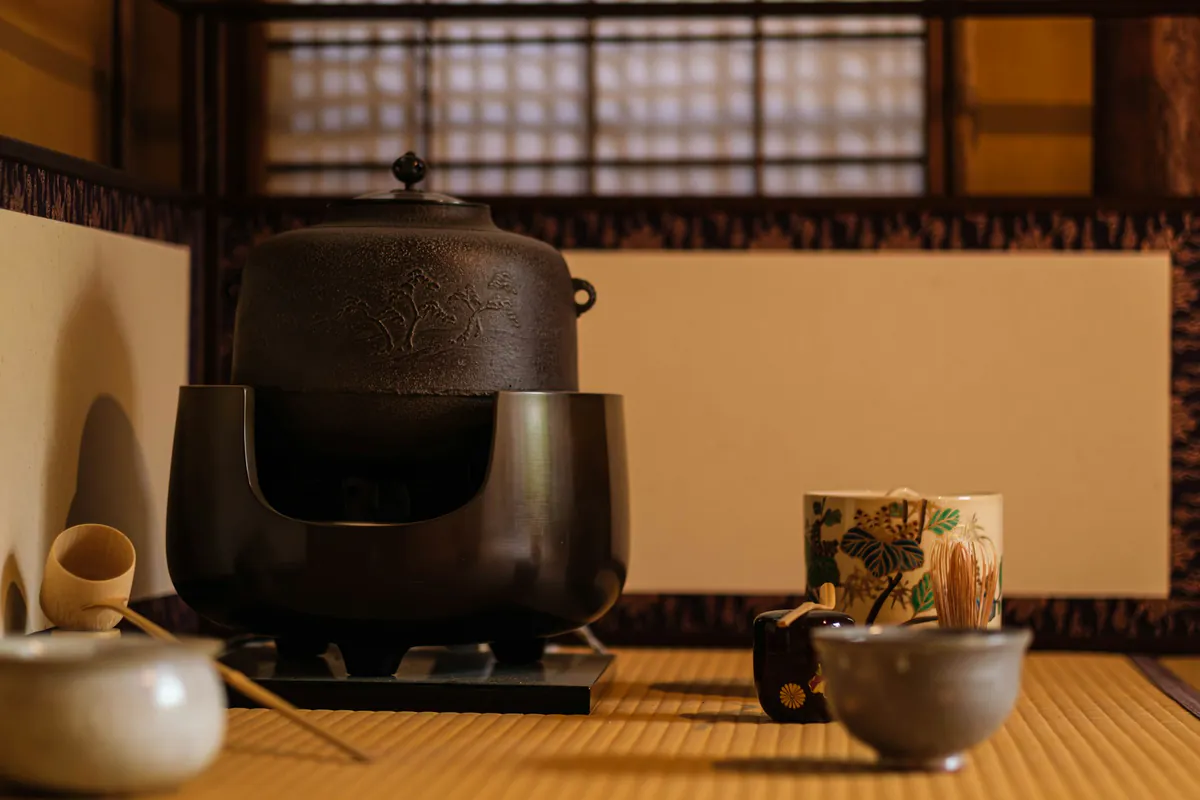
A traditional inn is worth choosing over the familiar international brands for one night. Styles and prices vary widely; dinner and breakfast are generally included and often spectacular multi-course affairs. Many have onsen.
Go to an onsen
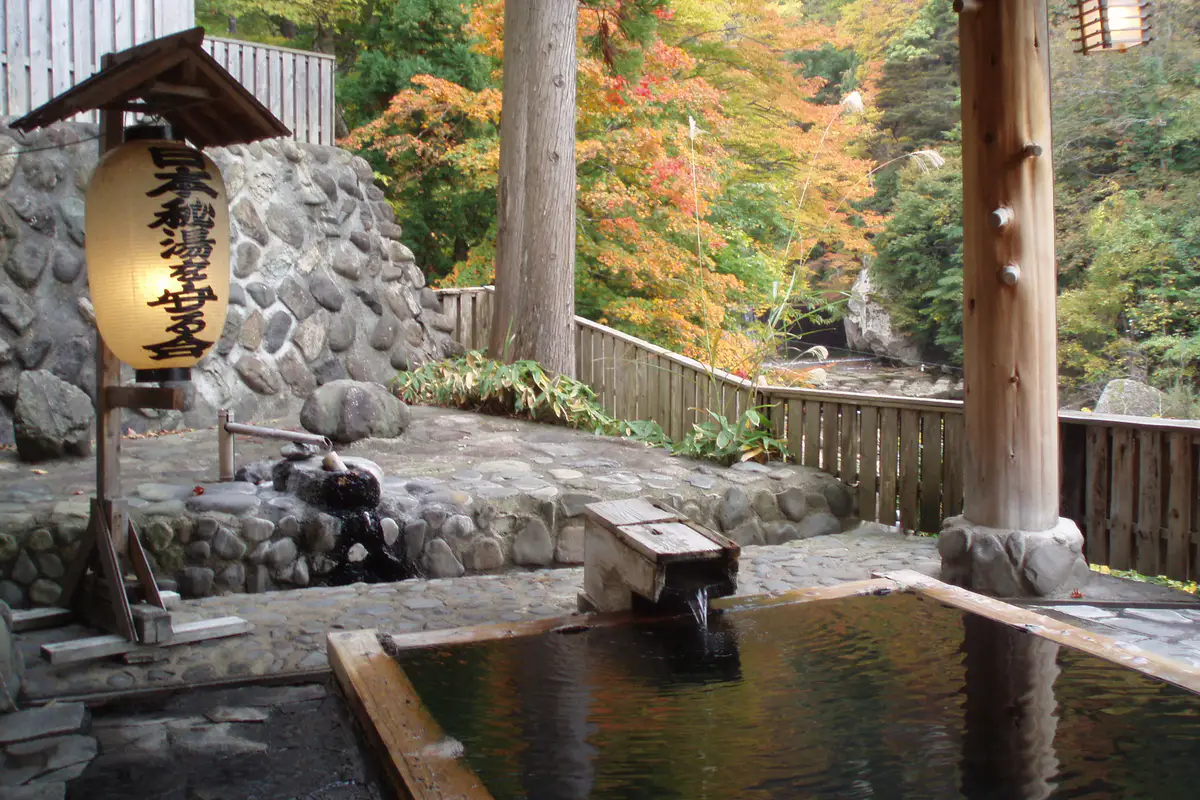
This natural hot-spring bath is one of our favorite experiences in Japan, and you can visit one at our wedding hotel. Public baths are gender-separated, everyone is naked, and phones stay away. Private baths can be rented by the hour or built into nicer ryokan rooms. Find an outdoor rotenburo for steaming water in cool November air. For a public bath, watch an etiquette video beforehand—there are real rules and no phone inside to check them. If you have tattoos, check the bath’s policy first: many public baths still turn away visible ink. Small pieces hide under cover stickers—Don Quijote sells them—and a private bath sidesteps the question entirely.
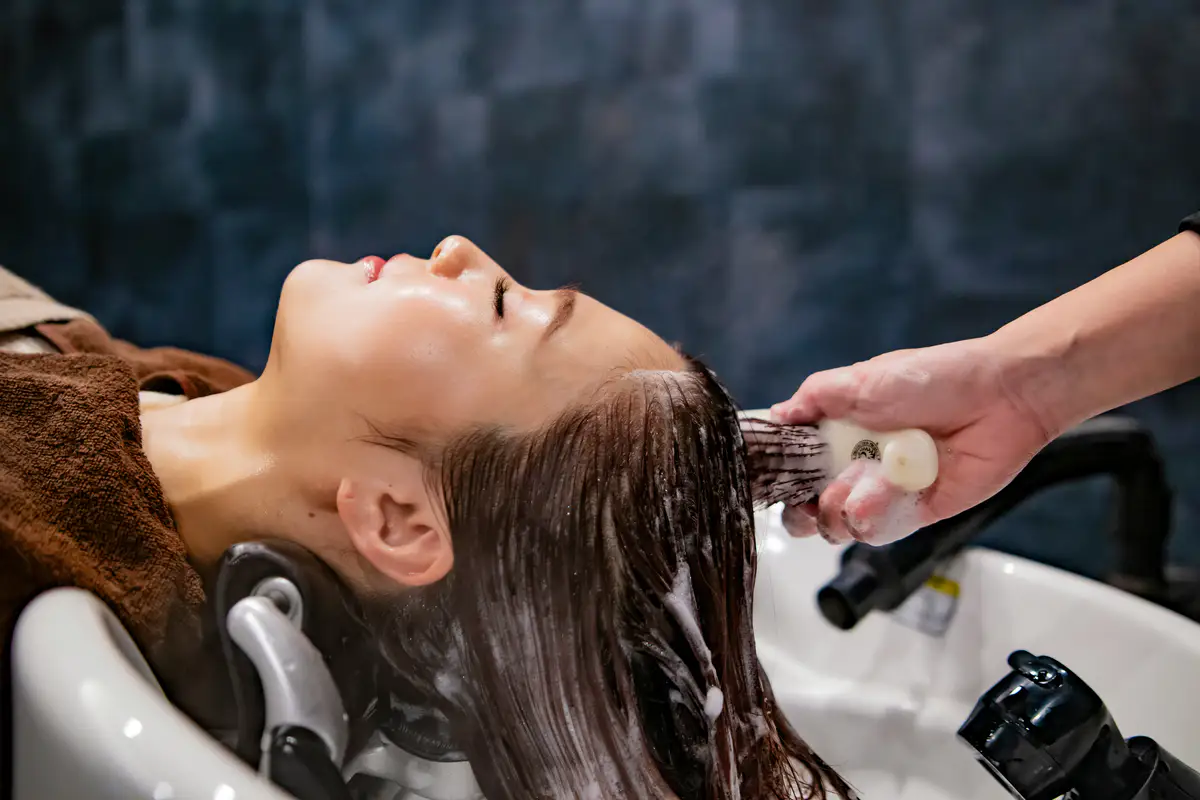
Go to a wet head spa
Japan has spas devoted entirely to the head and scalp. Dry and wet versions are both great, but choose wet if you must pick. The temperature-change wizardry is among the most relaxing things we have experienced; a good one costs a decent chunk and is 100% worth it.
Wander a giant Don Quijote
Try a large Tokyo or Osaka branch: Amazon in real life, with nearly everything, usually cheap, and tax-free buying in-store. Even navigating it without buying anything is an experience.
Animal cafés
Order a drink and spend time with the residents. We have enjoyed cat cafés; dog, hedgehog, mini pig, otter, and owl versions also exist if you go looking.
Eating & drinking
Your guide to picking restaurants
- 3.0good
- 3.5excellent
- 4.0exceptional, rare, and genuinely difficult to book
- Yakiniku / wagyu
- Yakitori
- Tonkatsu
- Kaiten sushi
- Japanese fruit
- Kakigori
- Japanese whisky
Restaurants specialize
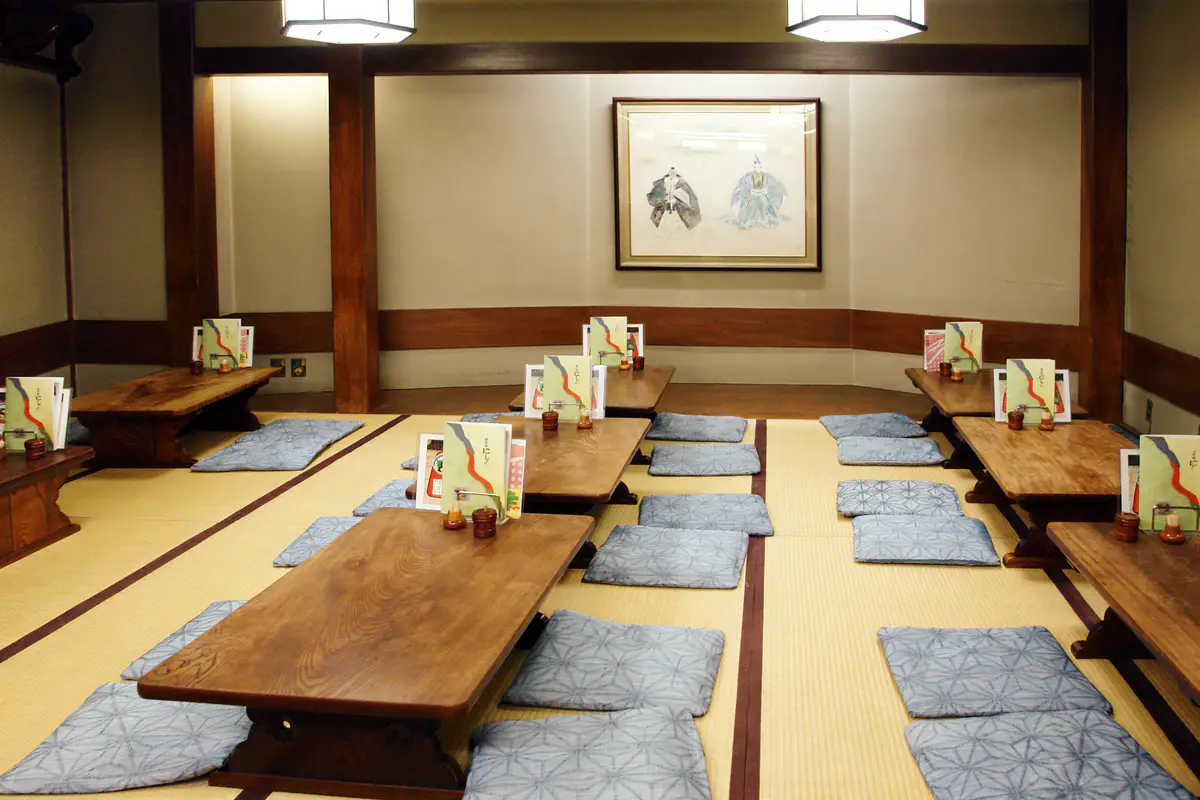
Menus are not diverse in the US sense: you choose what you are eating when you choose the restaurant. Many are course-based. The quality bar runs high from vending-machine-ticket ramen counters to Michelin stars.
Reserve what matters most
Book aheadTop places combine tiny seating counts with huge demand, confusing sites, and fierce competition; popular no-reservation spots mean a line. Lock in dinners for the food you care most about, then leave other meals for casual finds. We prioritize teppanyaki, yakitori, tonkatsu, and yakiniku because we love meat—make the list your own.
Try kaiten sushi
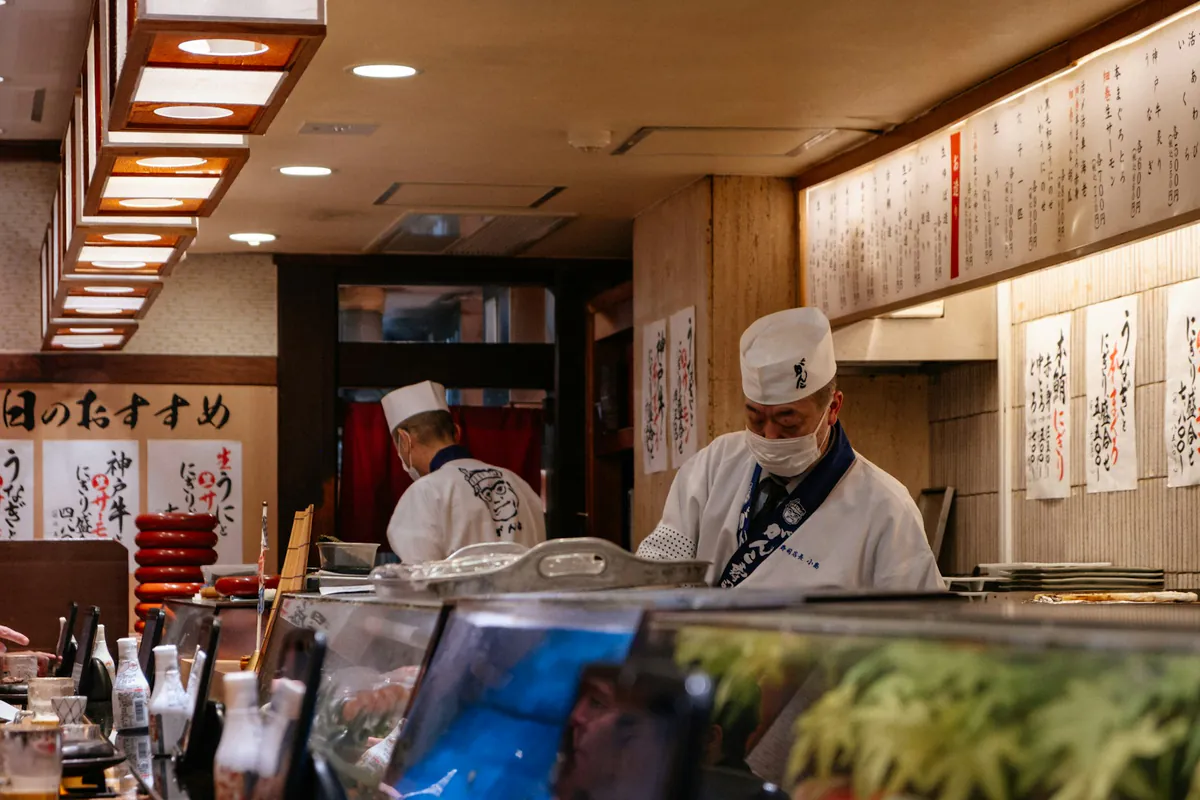
Order on a tablet and watch your choices arrive by conveyor belt. It sounds gimmicky; the sushi is actually really good. Omakase is the fancy chef-decides-everything alternative, but can overwhelm anyone who does not want a large range of fish.
Look for the Kobe stamp
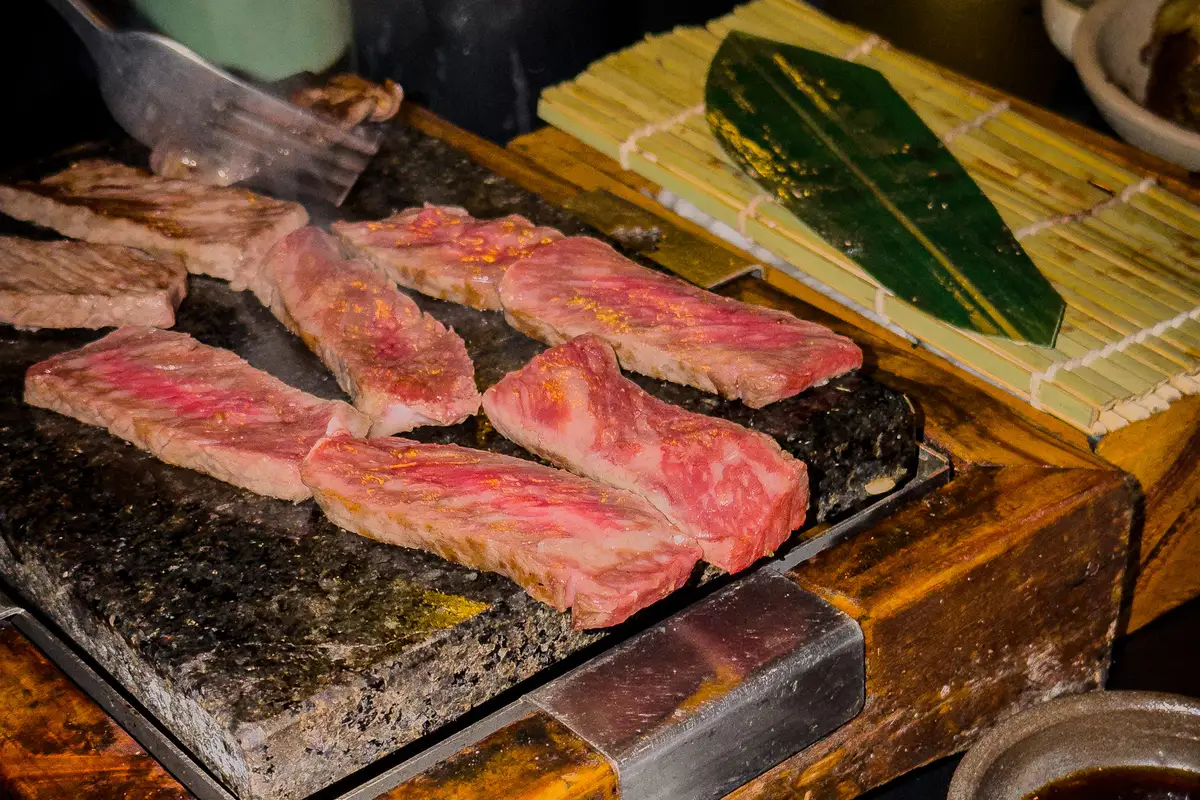
Kobe is a specific wagyu from a specific breed, not a synonym for all Japanese beef. It is pricey and the best steak either of us has had. Omi and Matsusaka are other premium types—we have tried all three and found them fairly indistinguishable—but Kobe is easiest on a tourist route. Teppanyaki is ideal. Look for the official stamp: a small golden cow statue proving legitimacy.
Take Japanese fruit seriously
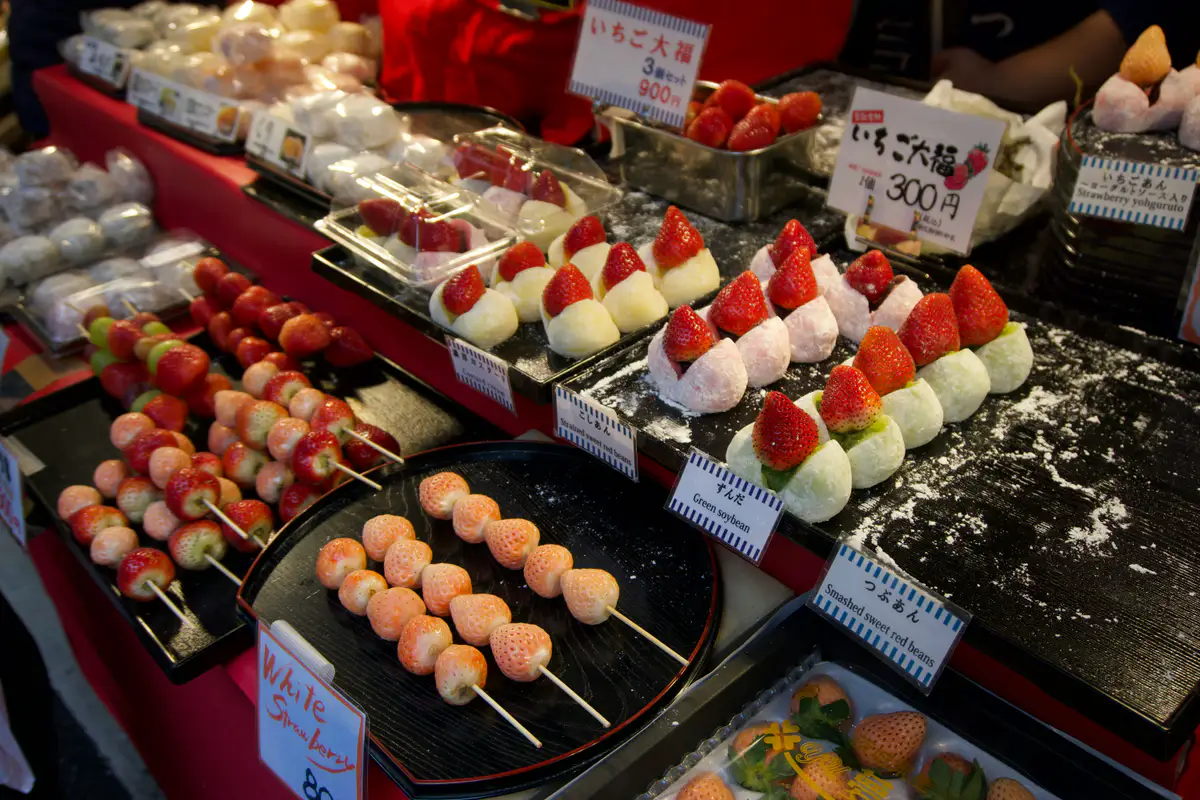
Fruit is sold in grades; the top ones are pricey and worth trying once. Find beautifully packed fruit in supermarkets, department-store basements, and stations. Premium strawberries arrive toward winter at roughly ¥1,000–1,500 for six (about $10). We can barely eat strawberries at home now. Also try Shine Muscat grapes, muskmelon, apples, and mikan.
Try kakigori
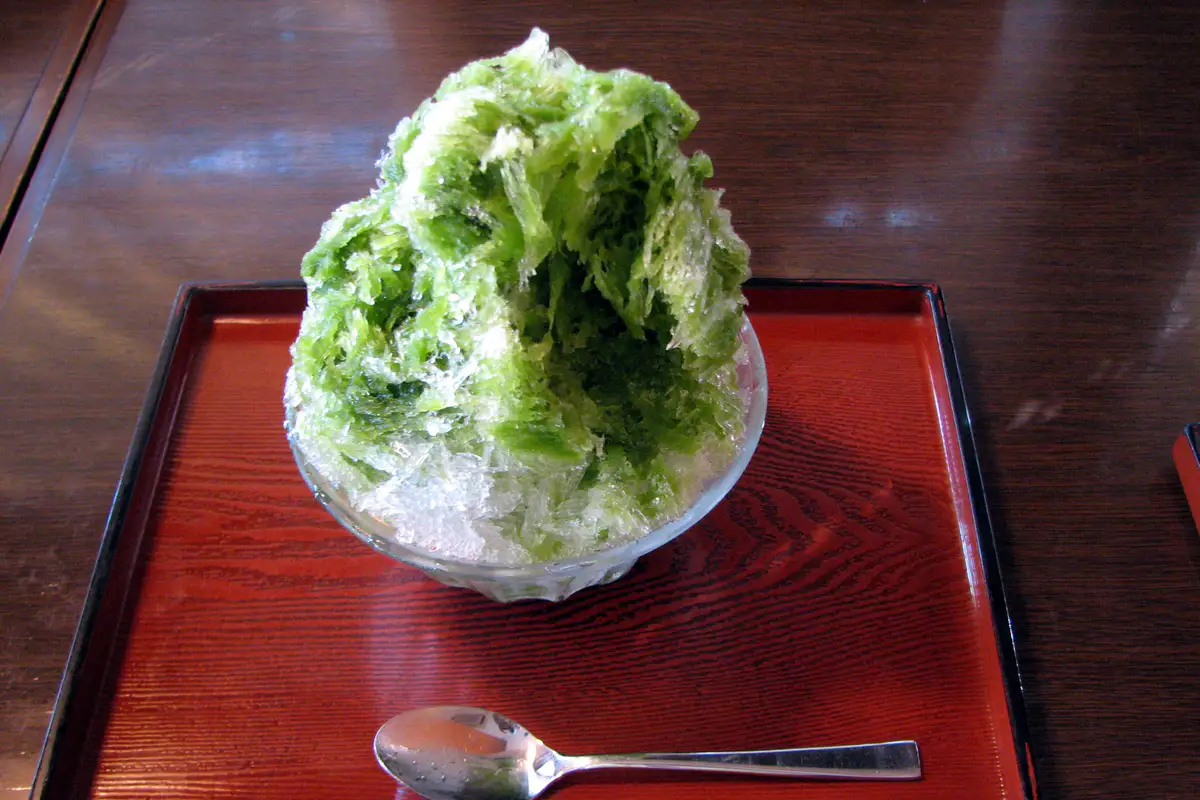
Japanese shaved ice is way better than versions we have tried elsewhere. It comes in every flavor; green tea is the classic.
Explore Japanese whisky by the pour
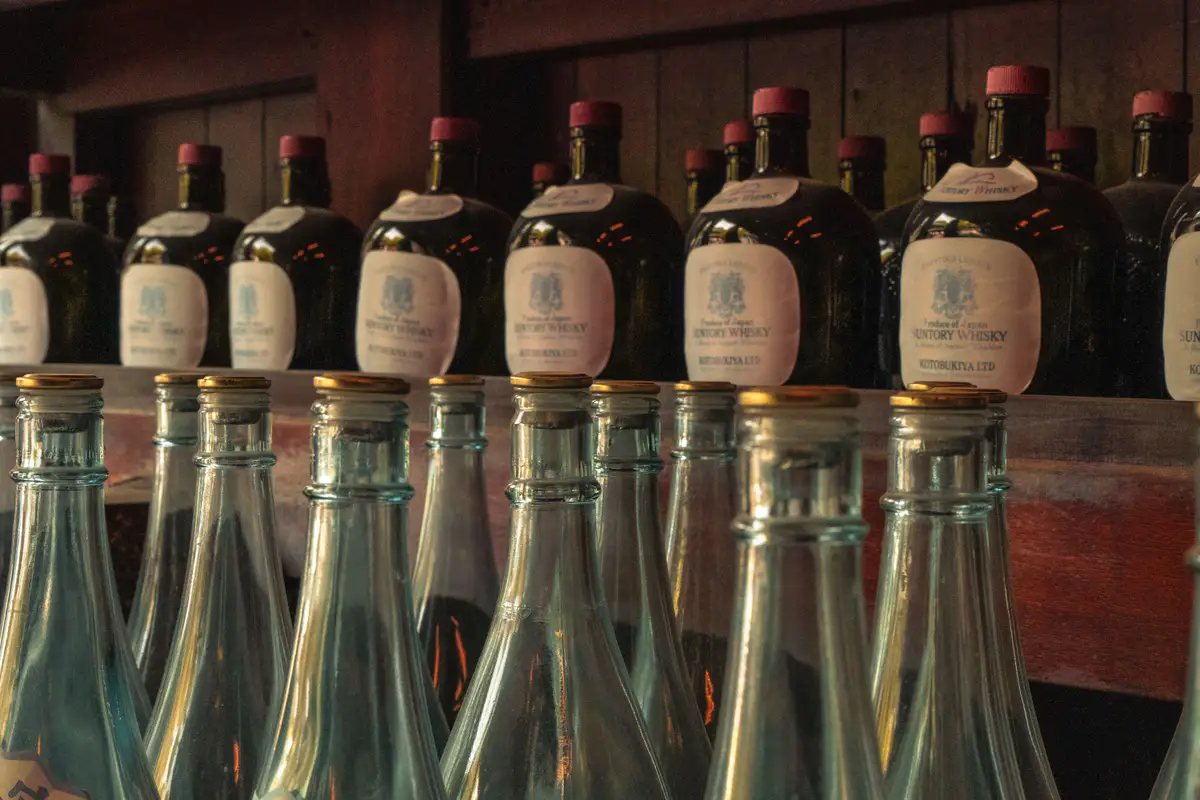
Bottles can oddly cost more in Japan than in the US, but bar and restaurant pours are much cheaper. Try Yamazaki, Hakushu, and Hibiki. Distillery tours use a lottery that requires applying months ahead.
City 01
Tokyo
Tokyo’s scale makes NYC feel small. A single neighborhood can fill half or all of a day, so do not check off everything—pick what sounds like you.
- Shinjuku
- Shibuya / Harajuku
- Tokyo Station
- Ginza
- Akihabara
- Asakusa
Things to see · in no particular order
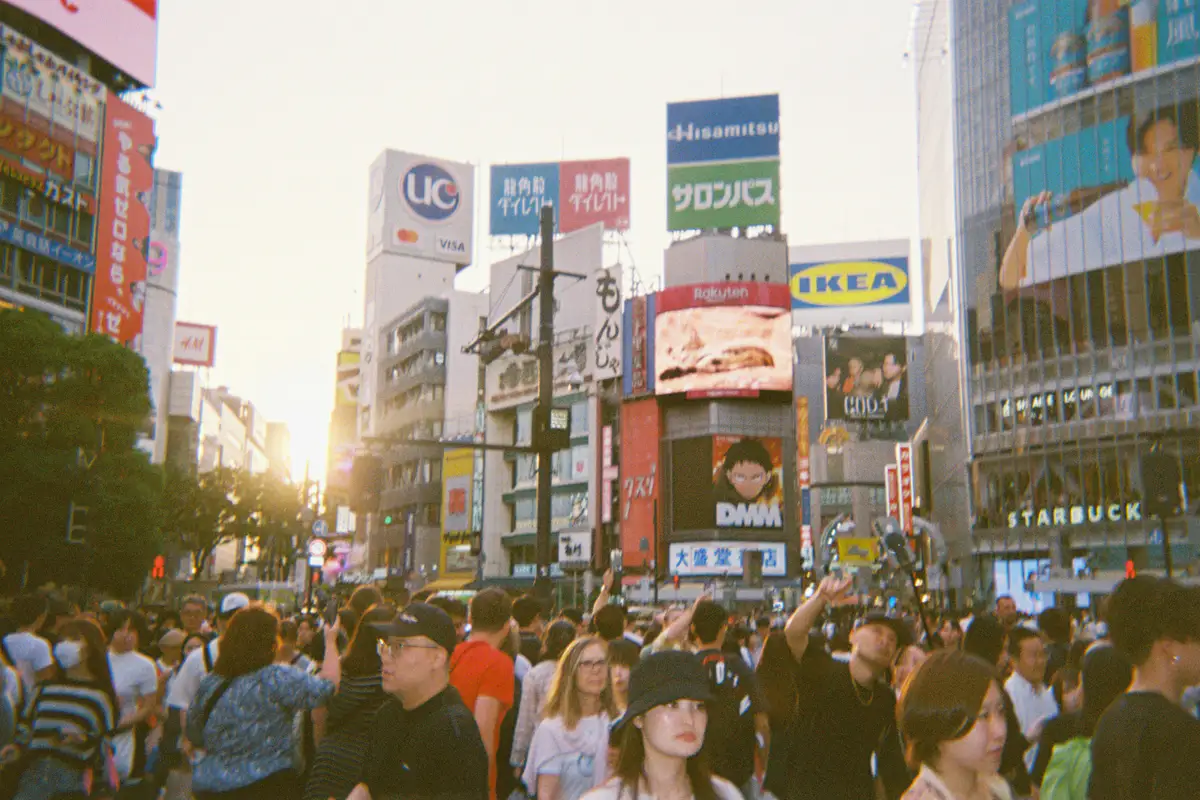
Shibuya & Shibuya Crossing
Explore the neighborhood and see the crossing at full chaos. The huge Tower Records supplies ’90s nostalgia.
Shibuya Sky
Book aheadThe open-air deck above the crossing reveals Tokyo’s immense scale. Buy early; popular slots sell out. Arrive about an hour before sunset—mid-afternoon in November—for daylight, sunset, and night.
Harajuku
A great neighborhood for shopping and restaurants.
Shinjuku
NightGo when the neon and nightlife are fully lit.
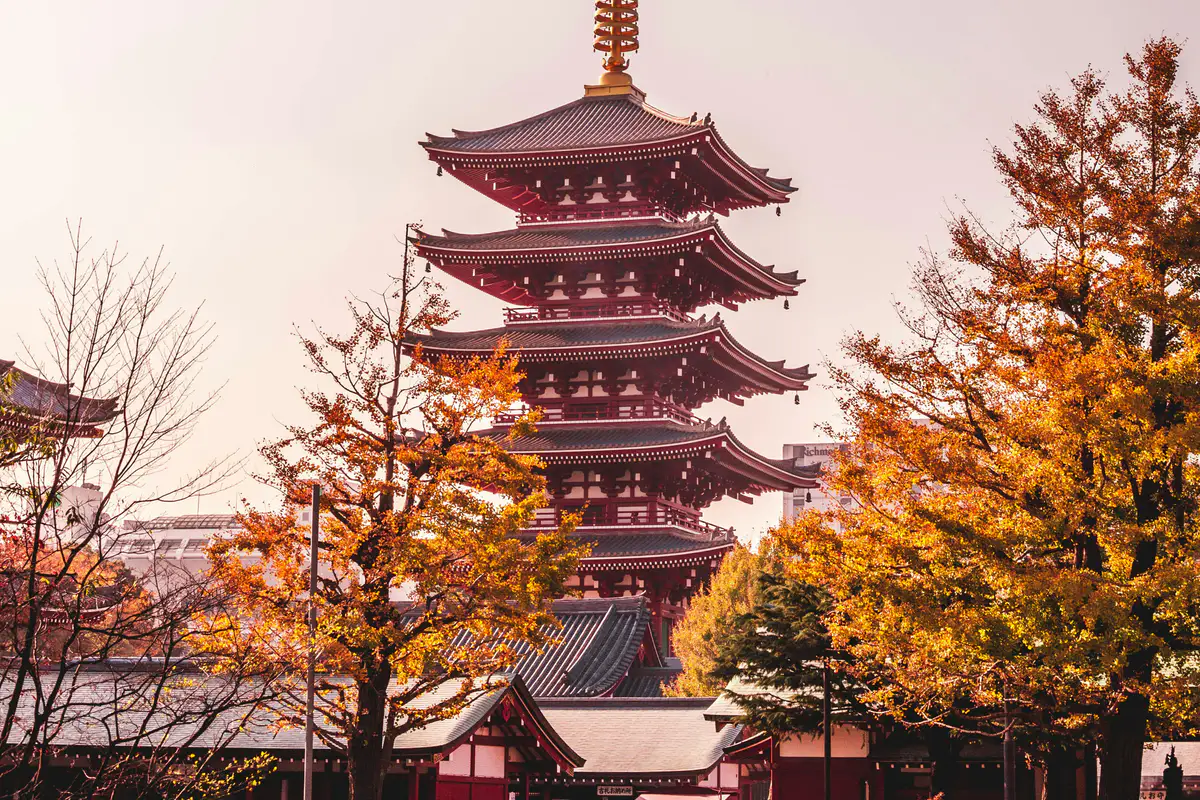
Senso-ji Temple (Asakusa)
Arrive in late afternoon while the shopping street is open, then stay for the illuminated temple and pagoda.
teamLab Planets
Book aheadThe immersive art exhibit lives up to its Instagram fame and takes about two hours; tickets are required in advance. The newer teamLab Borderless also gets great reports, though we have not done it yet.
Tokyo Metropolitan Government Building
Walk-inA free Shinjuku-area observation deck with no advance ticket. We think Shibuya Sky is much better, but the price is right.
Imperial Palace
Skip the formal tours; walk the grounds and enormous park when the light is good.
Tokyo Station
Enormous enough to be a destination, with lots of shopping inside and a facade beautifully lit at night.
Tsukiji Outer Market
Graze through the stalls at lunch. It occupies the old fish-market site, so the seafood is famously fresh.
Ginza
OptionalTokyo’s luxury shopping district; an easy time-saving skip if luxury shopping is not your thing.
Akihabara
OptionalA must for video-game or anime fans, and an easy skip for everyone else.
Tokyo Tower
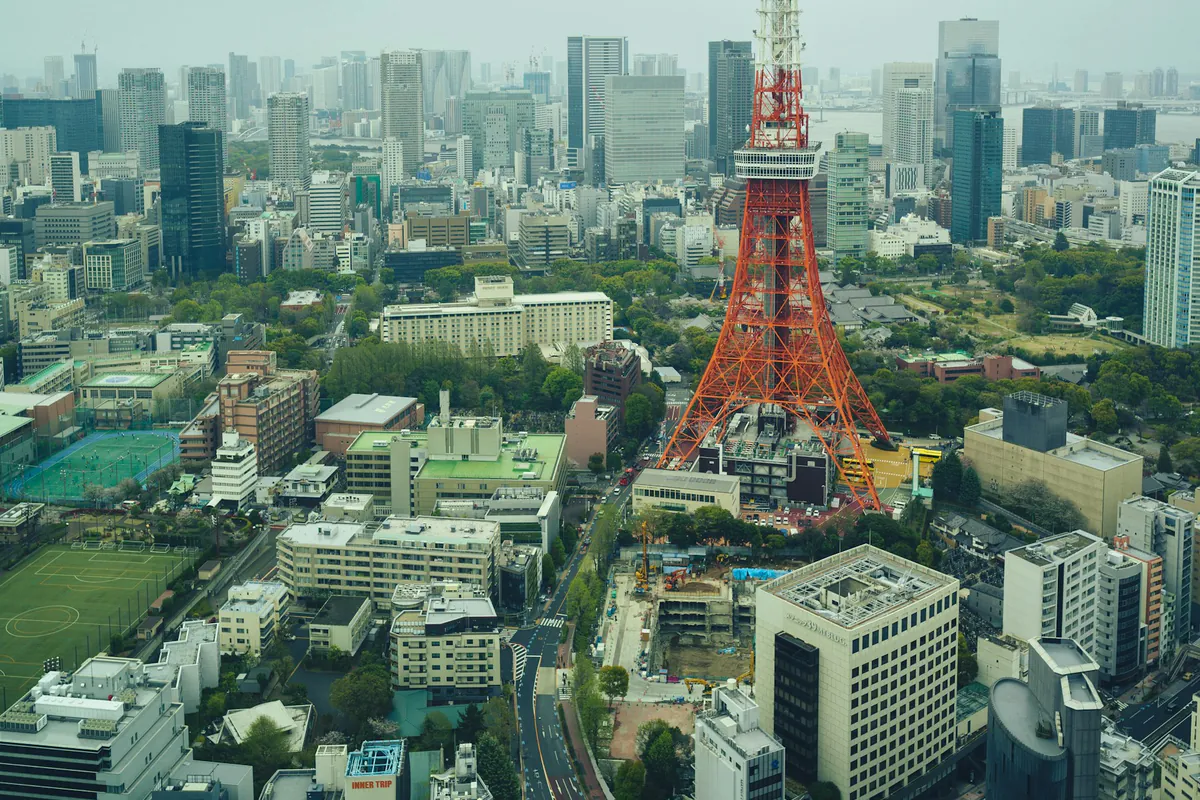
Do not bother going up. See it from nearby and visit the lovely Zojo-ji temple.
Tokyo Disney Resort
OptionalWe have not visited, but it supposedly has some of the best Disney parks anywhere—especially DisneySea—if that is your thing.
Where to eat · the must-gos
Food quality is high almost everywhere, but a few high-end experiences truly stand out. These are those.
Yoroniku Ebisu
Book aheadYakiniku (Japanese BBQ), and perhaps our single favorite restaurant in Japan. Choose the course with the gyukatsu sando. Reservations are required and semi-hard to get.
Book Yoroniku EbisuHikiniku to Come
Book aheadMust-go, very affordable hamburg steak. Reservations are required. Also in Kyoto if that suits your route better.
Book Hikiniku to ComeKaiten Sushi Ginza Onodera
Walk-inThe conveyor-belt offshoot of a famous Michelin-starred omakase house. If you do one kaiten sushi in Japan, make it this one. Walk-in. Also in Kyoto.
Also excellent
Tonkatsu Narikura
Book aheadA fried-pork-cutlet course; reservations are required and hard to get.
Torisho Ishii Hina
Book aheadYakitori omakase; reservations are required and semi-hard to get.
Seirinkan
Walk-inFamous Tokyo-style pizza honestly comparable with Rome. Walk-in, but expect a line.
Ginza Katsukami
Another great tonkatsu course menu.
Bar Centifolia
Book aheadThe viral bartender’s wild cocktail performance is the point—and a great show. Reservations open 2–3 weeks ahead and disappear immediately.
City 02
Kyoto
The former capital is Japan’s historical heart: temples, shrines, and old streets. The supply is effectively endless, so research and choose what calls to you. The single biggest tip: reach major sights as early as possible. Crowds get intense.
Start before the crowds
Use the early light for temples, gates, and old streets.
Wander through the day
Choose one area and leave time for the streets between the major sights.
Stay for illumination
Reserve a special evening viewing when autumn temples light their gardens.
Things to see · in no particular order
Gion
The famous historic district is wonderful for photos and shopping. Nearby Yasaka Pagoda looks unreal at sunrise and sunset.
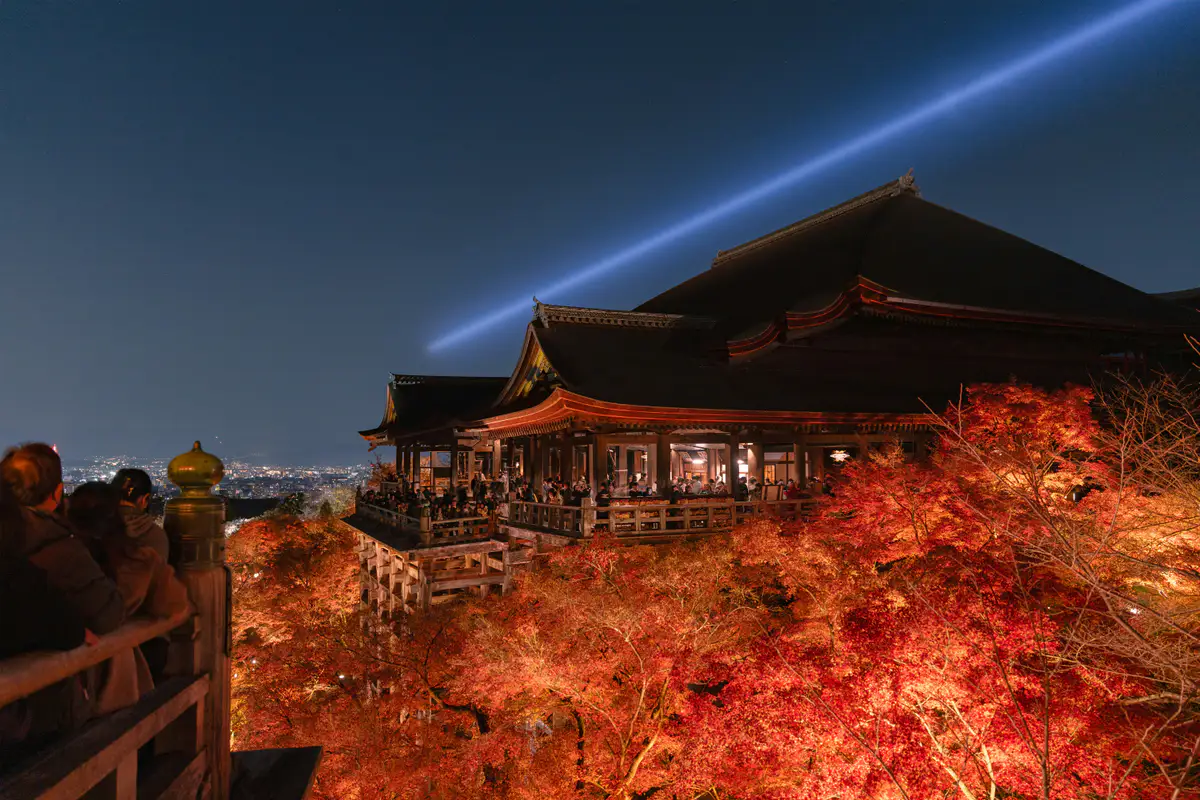
Kiyomizu-dera Temple
EarlyA hillside temple with a huge wooden stage and great surrounding streets. It gets especially busy, so go early.
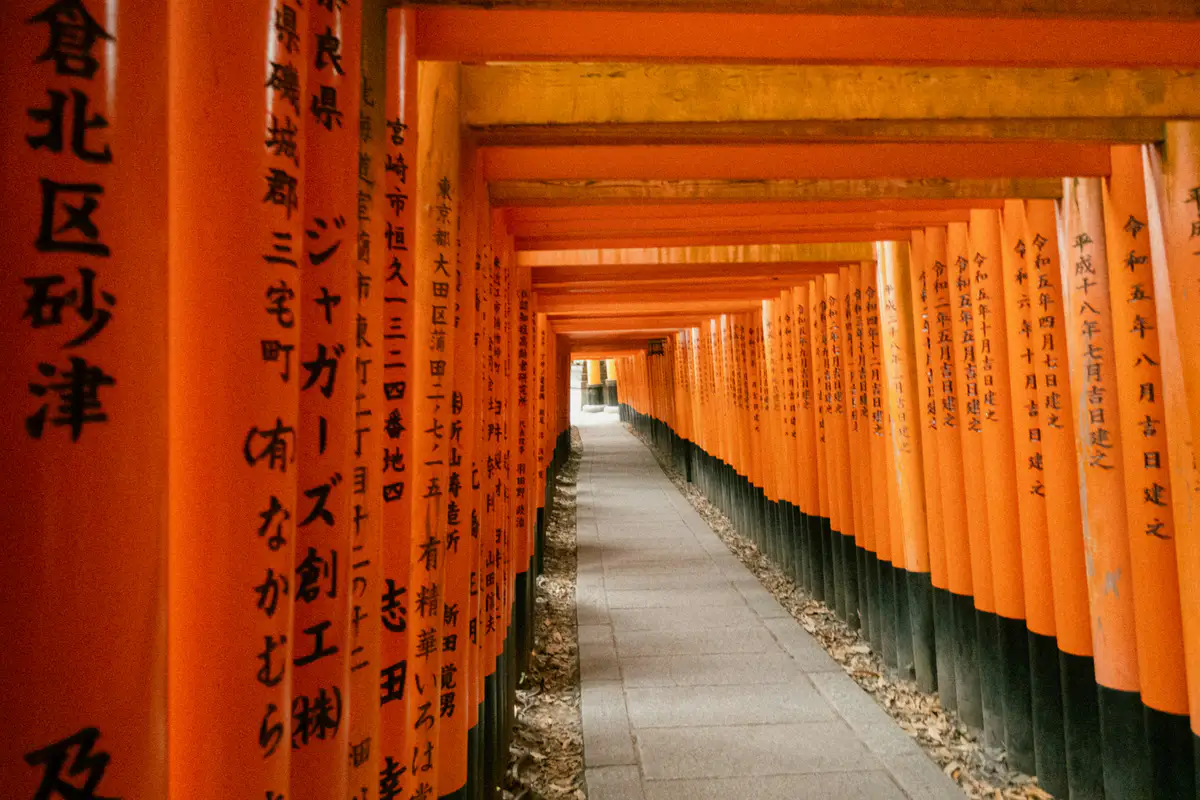
Fushimi Inari
EarlyThousands of red gates and an optional full hike to the top; you do not have to finish it. Go early.
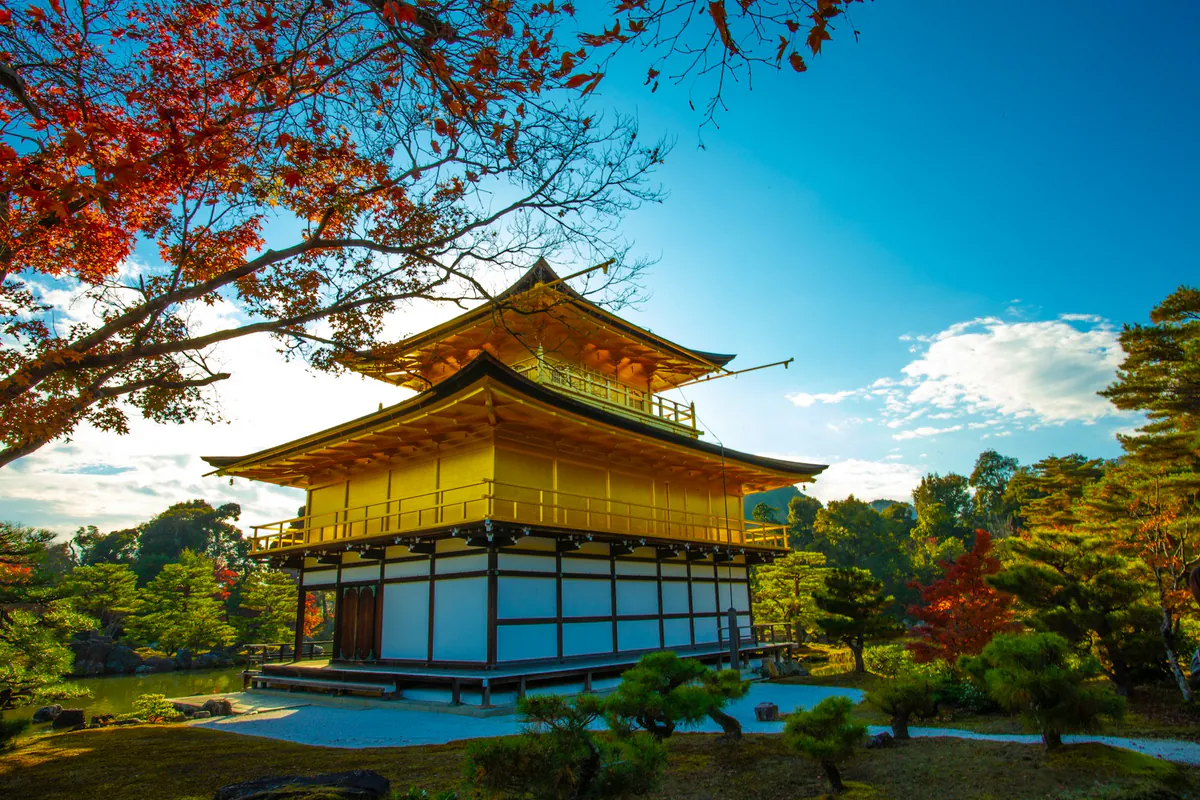
Kinkaku-ji
The Golden Pavilion, surrounded by a beautiful park.
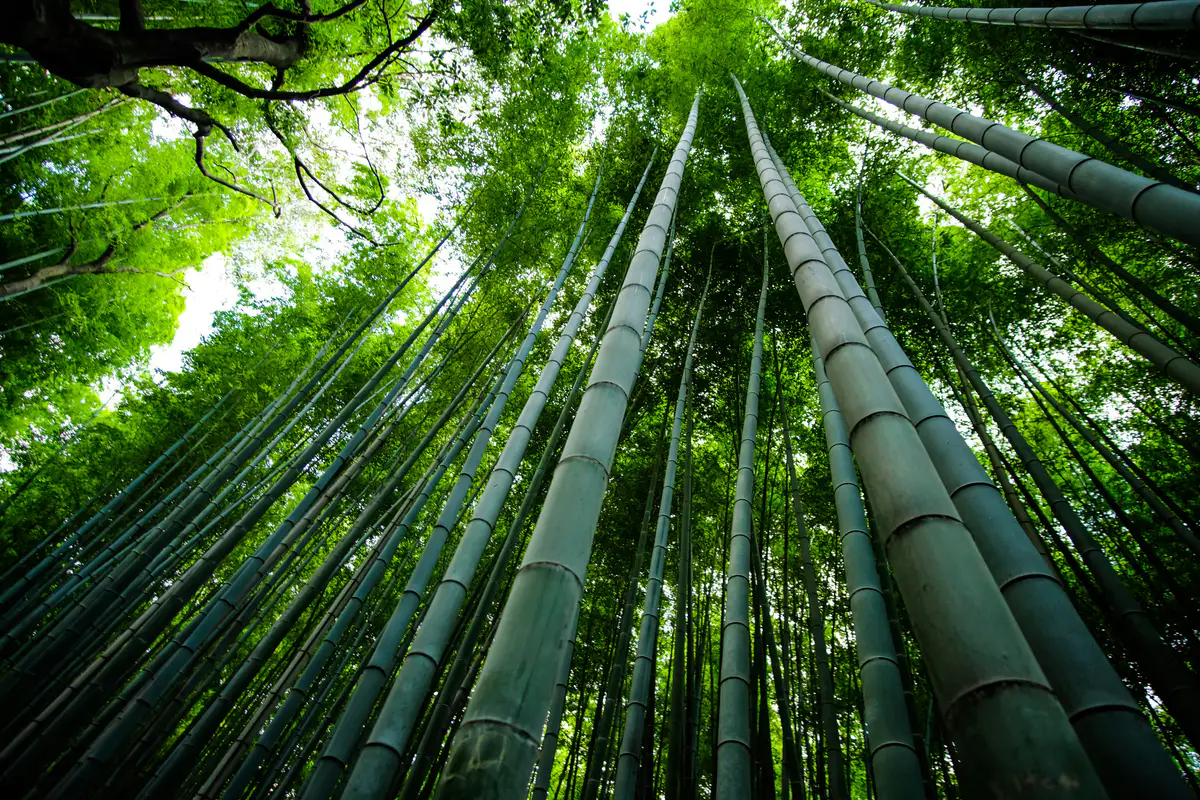
Arashiyama
EarlySpend a day 30–45 minutes from the center with the bamboo forest, river and bridge, and monkey park. Get an early start.
Sagano Romantic Sightseeing Train
Book aheadA scenic Arashiyama train that runs most of the year but not winter, especially gorgeous in fall. Book when tickets release and try for open-air car 5, “The Rich”—no glass, and naturally everyone wants it.
Rurikoin
Book aheadPolished tables beside corner windows reflect the garden like an infinity pool. Yes, it became an Instagram thing; it is still worth it. Peak fall requires advance tickets.
Uji
OptionalA scenic town south of Kyoto, supposedly matcha’s birthplace. Byodo-in is gorgeous and appears on the ¥10 coin, but this is probably not a first-visit priority unless something specific draws you.
Where to eat
Mouriya Gion
Book aheadKobe beef; reservation required.
Kaiten Sushi Ginza Onodera Kyoto
The same conveyor-belt standout recommended in Tokyo.
Sen no Kaze
Walk-inRamen; walk-in.
Hikiniku to Come Kyoto
The same must-go hamburg steak as in Tokyo.
Yusaitei
Book aheadAn izakaya-style assortment of great dishes in a fun atmosphere; reservation required.
City 03
Osaka
Think smaller-scale Tokyo, famous for food and personality. There is not a ton of traditional sightseeing, so one or two days is typical—but it is fantastic for eating your way through and catching up on shopping.
Things to do · in no particular order
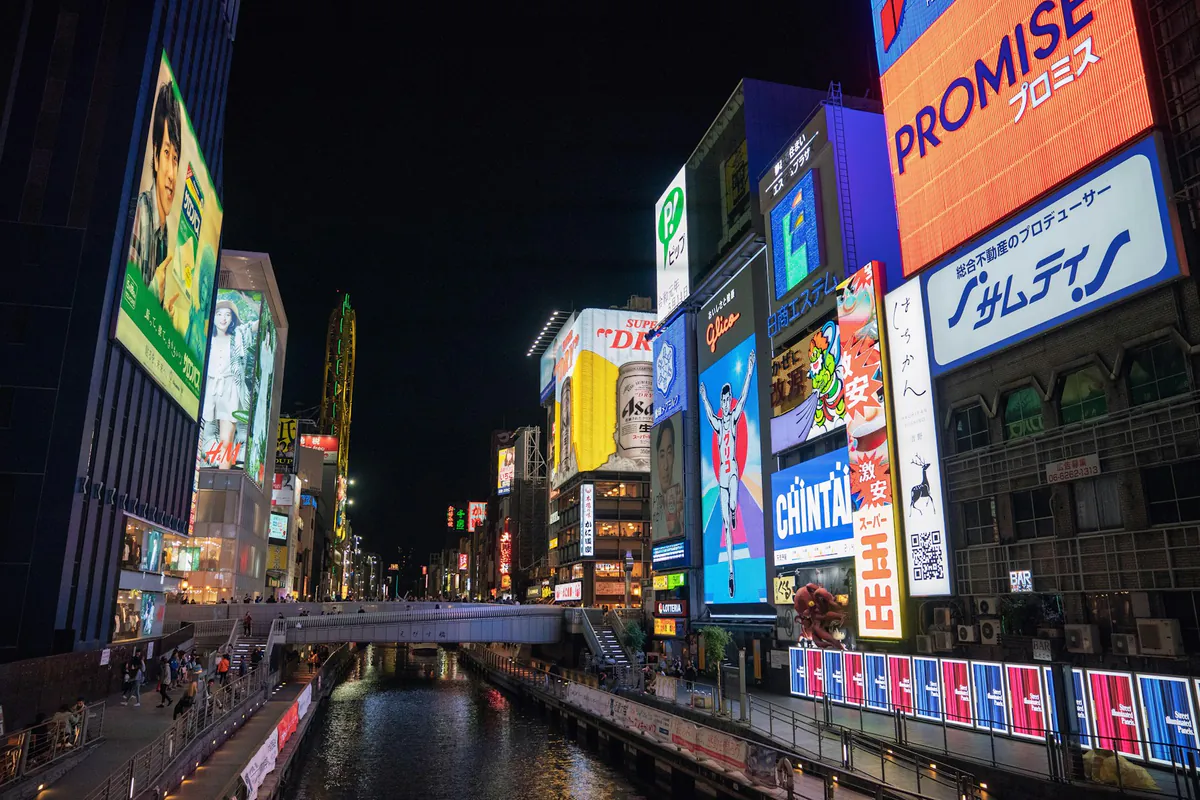
Dotonbori
The famous neon canal district with the Glico running man sign from all the photos. Endless food. There’s also a huge Don Quijote here if you haven’t experienced one yet.
Tsutenkaku & around
Similar retro-neon energy, different sights, and lots more food.
Umeda Sky Building
The best city view in Osaka. Tickets are needed but easy to get.
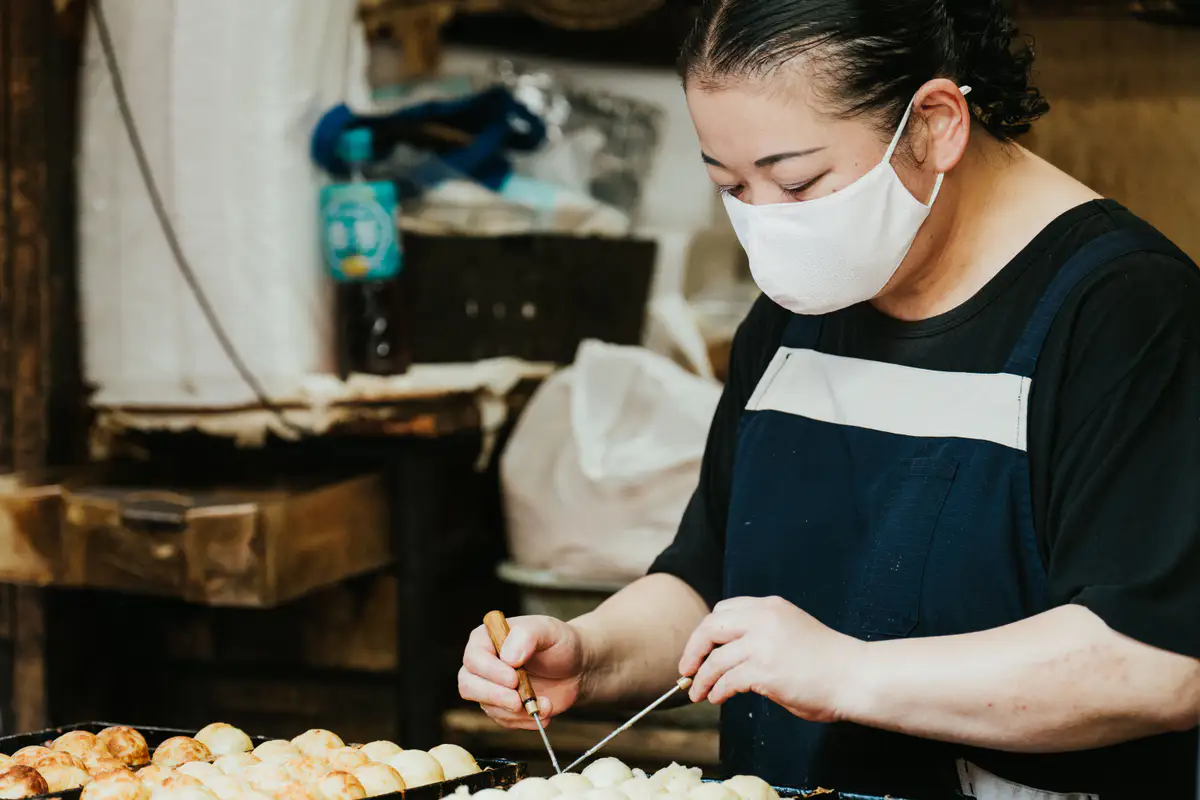
A food tour
Osaka is the right city for sampling many dishes and meeting other travelers.
teamLab Botanical Garden
OptionalThe outdoor cousin of Tokyo’s exhibits. Pick Tokyo if choosing one; worthwhile if you love them.
Universal Studios Japan
Book aheadWe have not visited, but it is famous for Super Nintendo World if you are into that. Tickets in advance.
Day trips & farther afield
More Japan
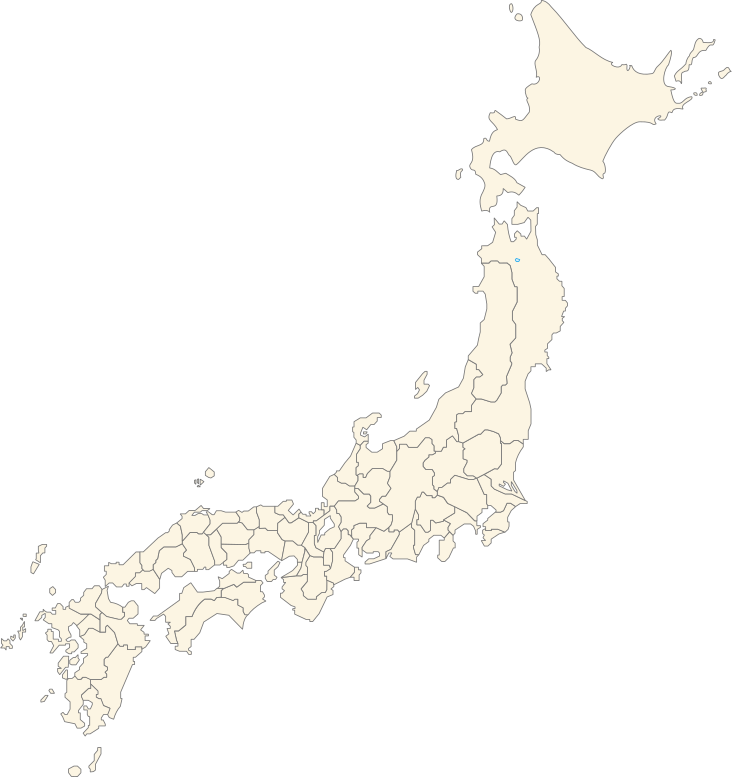
Six memorable detours
- Hokkaido
- Nagano
- Hakone
- Nara
- Kobe
- Hiroshima / Miyajima
Hakone
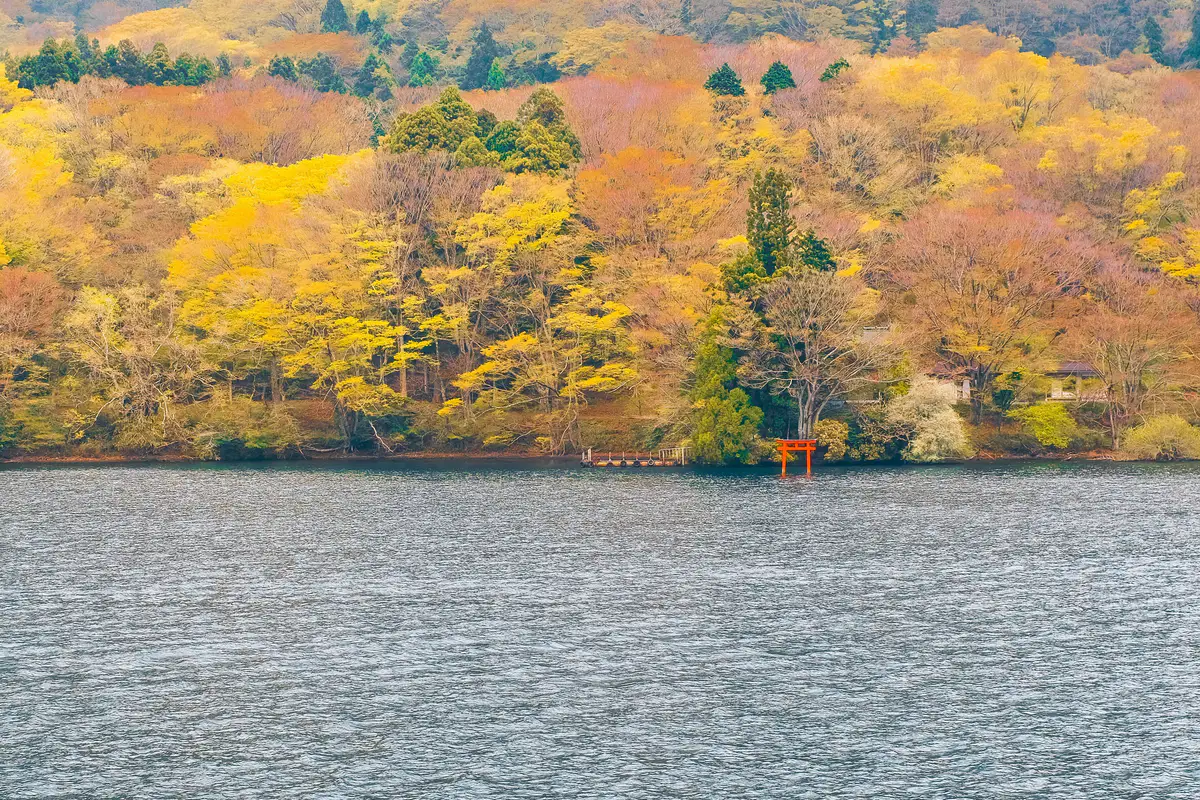
Possible as a Tokyo day trip, but we stayed one night and recommend it. This mountain area has onsen, Fuji views, lovely ryokan, and the “Hakone loop”: cable car, ropeway, and lake crossing on a pirate ship—yes, a pirate ship. November combines foliage with clear-air Fuji views.
Nara
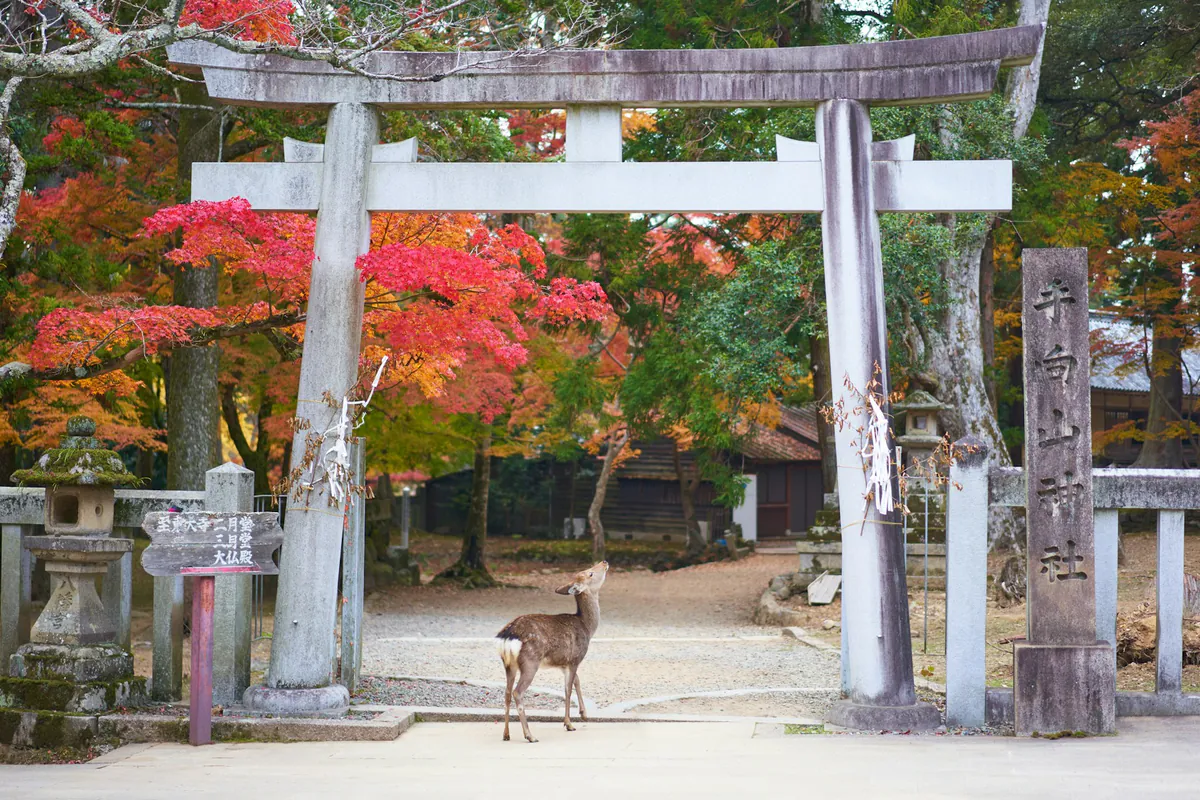
An easy Kyoto or Osaka day trip. Free-roaming deer literally bow when fed; animal lovers will delight, and the park also has beautiful temples.
Kobe
OptionalWe day-tripped from Osaka specifically to eat Kobe beef in Kobe and valued the story. Real Kobe beef exists in every major city, so skip this unless the idea means something to you.
Hiroshima & Miyajima
Hiroshima has a deeply moving museum dedicated to the WWII atomic bombing. Nearby Miyajima has beautiful temples and the famous “floating” torii gate.
Hokkaido
Japan’s northern island offers mountains, incredible food, world-class winter skiing, and summer flower fields—a good destination almost any time of year.
Snow monkeys (Nagano)
A winter-specific Tokyo day trip to wild monkeys lounging in natural hot springs. Experience warns us: the approach is a 45-minute hike on snowy, slippery trails, so bring real footwear. Highly prefer an organized Tokyo bus tour over the train-and-bus combination.
If you come back
Japan by season
Spring · March/April
Cherry blossoms make this the most popular season, but many travelers cross the world and miss them: bloom windows are short, regional, hard to predict, and worsening with climate change. Arrive near the estimate and stay flexible enough to chase the bloom. Plum blossoms can start in mid-February and be just as beautiful with a fraction of the crowds.
Winter · mid-December through February
Underrated and blissfully uncrowded. Main tourist areas remain fairly mild (40s–50s) and dry. There are no blossoms or foliage, but nearly everything else remains possible, plus snow monkeys, world-class Hokkaido skiing, and peak strawberry season.
Summer
Every single person we have asked says the same thing: don’t. It is extremely hot and humid, with downpours that can wreck outdoor plans—and it intensifies every year.